Why Regular Cleaning Matters for Homes, Offices, and Everyday Spaces
The Real Value of Regular Cleaning
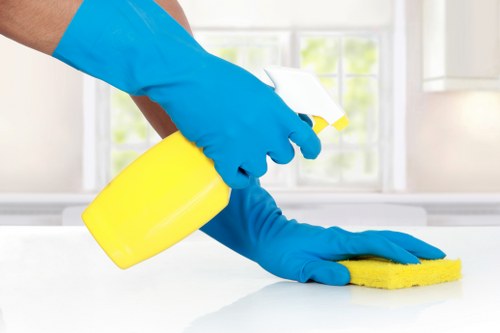
Regular cleaning is more than a household chore; it is a practical habit that shapes how a space looks, feels, and functions. Whether you are caring for a home, office, retail location, or rental property, consistent upkeep helps prevent dirt buildup, reduces clutter, and supports a healthier environment. People often notice the visible results first, but the long-term benefits of regular cleaning are even more important.
When cleaning is done on a consistent schedule, surfaces stay brighter, air quality improves, and spaces feel more organized. This matters for families, employees, customers, and guests alike. A clean environment can make everyday tasks easier and more pleasant while also reducing the stress that comes from mess and disorder. In many situations, regular cleaning also protects investments by helping furniture, flooring, appliances, and fixtures last longer.
From a health perspective, routine cleaning can lower exposure to dust, allergens, grease, mold, and bacteria. From a visual perspective, it keeps a property looking polished and cared for. From a practical perspective, it saves time because small jobs are easier to manage than large, neglected ones. In short, regular cleaning creates a better space today and prevents bigger problems tomorrow.
Why Regular Cleaning Supports Health and Comfort
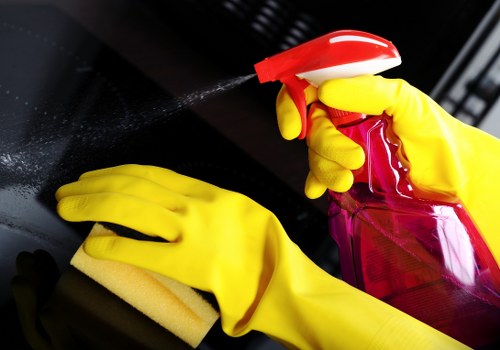
One of the biggest reasons people invest in regular cleaning is health. Dust accumulates quickly on shelves, vents, baseboards, and fabrics. Over time, it can contribute to sneezing, irritation, and discomfort, especially for people sensitive to allergens. Frequent cleaning reduces buildup and helps keep the air and surfaces fresher.
Kitchen counters, bathroom sinks, door handles, and shared work areas can also collect germs throughout the day. Regular cleaning lowers the chance that these surfaces become a source of spread. While cleaning is not the same as disinfecting, both can work together to support a cleaner and safer environment when used correctly and consistently.
Comfort is another major factor. A tidy room feels calmer and easier to use. People often focus better and feel less overwhelmed in an organized environment. This is why many households and businesses make regular cleaning part of their weekly routine. It does not just improve appearance; it improves how the space functions for everyone in it.
Common health-related benefits
- Reduced dust and allergen buildup
- Fewer odors from trash, spills, and damp surfaces
- Cleaner air in enclosed rooms
- Less spread of germs on high-touch areas
- Improved overall comfort and well-being
How Regular Cleaning Protects Your Property
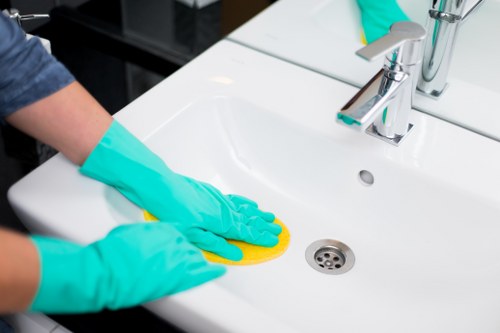
Regular cleaning is one of the simplest ways to protect the value of a property. Dirt, grime, and moisture can wear down surfaces over time. For example, if spills are left too long, they can stain carpets or damage flooring. If bathroom areas are not cleaned often, soap scum and mineral deposits can become harder to remove. Consistent maintenance helps prevent these issues before they become expensive.
In kitchens, routine wiping and scrubbing prevent grease from building on cabinets, stovetops, and backsplash areas. In living spaces, regular dusting helps furniture and décor stay in good condition. On floors, sweeping and mopping remove debris that can scratch finishes. Each small cleaning task contributes to protecting the overall condition of the space.
This is especially important for landlords, property managers, and business owners who want to maintain a strong impression. A property that receives regular cleaning tends to look more cared for and can remain appealing longer. Whether the goal is to preserve resale value, rental appeal, or workplace professionalism, ongoing cleaning plays a major role.
Examples of surfaces that benefit from routine care
High-traffic areas such as hallways, entryways, and lobbies collect dirt faster than quieter spaces. Countertops, sinks, desks, and restroom fixtures also need frequent attention because people touch them often. Windows, baseboards, vents, and upholstered surfaces benefit from periodic cleaning too, since buildup in these places is easy to miss but still affects the overall environment.
Regular Cleaning in Homes: Creating a Better Daily Routine
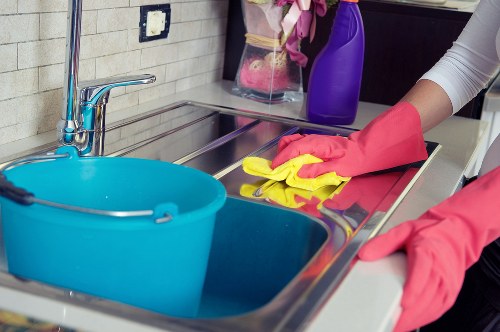
At home, regular cleaning can make everyday life smoother. Instead of facing a long list of overwhelming tasks on weekends, families can spread cleaning into smaller habits throughout the week. This approach keeps spaces manageable and reduces the chance of clutter taking over shared areas. It also makes it easier to enjoy the home without constantly thinking about what needs to be done.
Different rooms benefit from different levels of attention. Kitchens often need daily wiping, dish management, and surface sanitizing. Bathrooms require regular scrubbing of sinks, toilets, mirrors, and showers. Bedrooms benefit from dusting, laundry routines, and floor care. Living rooms and family spaces need a balance of vacuuming, organizing, and surface cleaning to stay comfortable.
A useful way to think about regular cleaning at home is in layers. Some tasks happen daily, some weekly, and some monthly. This layered method keeps the home from falling behind and makes the process less stressful. It also helps family members share responsibility more evenly, which can improve cooperation and reduce resentment around chores.
A simple home cleaning rhythm
- Daily: wipe counters, handle dishes, tidy common areas
- Weekly: vacuum, mop, dust, clean bathrooms, change linens
- Monthly: deep clean appliances, wash windows, organize storage
- Seasonally: declutter, rotate items, clean hard-to-reach areas
This rhythm can be adjusted depending on household size, pets, allergies, and lifestyle. The key is consistency. Even a short session of regular cleaning can make a significant difference when performed frequently.
Regular Cleaning in Offices and Commercial Spaces
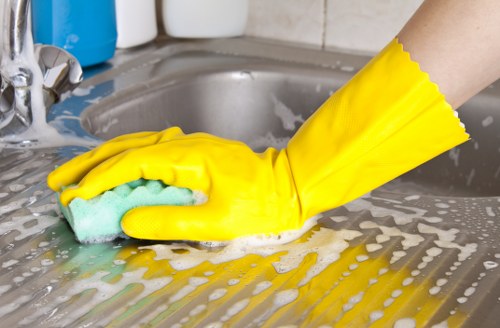
Businesses also benefit greatly from regular cleaning. A neat office sends a message of professionalism and attention to detail. Clients notice clean floors, organized desks, polished meeting rooms, and tidy restrooms. Employees notice too. A cleaner workplace can boost morale and help people feel more focused and respected.
In commercial settings, cleaning needs can be more complex than in homes because of foot traffic, shared equipment, and multiple work zones. Break rooms, reception areas, conference spaces, bathrooms, and entry points all require ongoing attention. Regular dusting, waste removal, floor care, and surface sanitizing help reduce mess and support a pleasant work atmosphere.
There is also a practical business case for regular cleaning. When surfaces are maintained often, equipment lasts longer and repairs become less frequent. Carpets, upholstery, glass, and flooring all respond better to routine maintenance than to rare, heavy-duty cleaning. For businesses that depend on customer experience, a clean environment can support trust and brand image.
Why workplaces should prioritize consistency
- Improves employee comfort and productivity
- Supports a professional customer experience
- Helps reduce clutter and maintenance issues
- Encourages better hygiene in shared spaces
- Protects surfaces and furnishings from premature wear
Building an Effective Regular Cleaning Plan
A strong regular cleaning routine starts with a realistic plan. The best plan is one that fits your schedule, the size of the space, and the level of use each area gets. A large household with children and pets will need a different approach than a small office or apartment. The goal is not perfection; the goal is consistency and control.
It helps to divide tasks by frequency and by room. Some tasks should happen every day, such as wiping visible spills, emptying trash, and putting items back where they belong. Other jobs, like vacuuming or disinfecting high-touch points, may happen weekly. Deep cleaning chores can be set for monthly or seasonal intervals. This structure makes regular cleaning more manageable and reduces decision fatigue.
Another effective strategy is to assign responsibilities. In a home, that may mean children handle age-appropriate tidying while adults manage bigger tasks. In a workplace, it may involve staff keeping shared spaces neat while professional cleaners handle deeper maintenance. Clear expectations make regular cleaning more likely to happen without confusion.
Helpful planning tips
Start with visible problem areas because they create the strongest impression. Then focus on high-use surfaces and spaces that affect health and comfort. Use checklists, calendars, or phone reminders to stay on track. When cleaning is broken into smaller actions, the process becomes easier to repeat and less likely to be delayed.
A practical mindset
Regular cleaning works best when treated as maintenance, not a once-in-a-while rescue mission. Small efforts done consistently often outperform large, exhausting cleaning marathons.
Tools and Supplies That Make Regular Cleaning Easier
Having the right tools makes regular cleaning faster and more effective. Basic supplies can cover most household and workplace tasks, but quality matters. Microfiber cloths, a reliable vacuum, mop heads that can be cleaned or replaced, all-purpose cleaners, and proper trash bags all support better results. Choosing efficient tools can save time and reduce frustration.
For homes, keeping supplies in a central location encourages use. For offices, storage in supply closets or cleaning stations helps ensure workers can access what they need quickly. The easier it is to start cleaning, the more likely the routine will be maintained. Regular cleaning becomes much simpler when people do not have to search for tools first.
It is also important to match supplies to the job. Glass cleaners work best for mirrors and windows, while degreasers are useful in kitchens. Bathroom cleaners are designed for soap scum and buildup. Floor care products vary based on whether the surface is tile, wood, laminate, or carpet. Using the wrong product can create damage or leave residue behind.
Basic cleaning supply checklist
- Microfiber cloths and sponges
- Vacuum cleaner and broom
- Mop and bucket
- All-purpose cleaner
- Glass cleaner
- Bathroom cleaner
- Trash bags and liners
- Rubber gloves
- Disinfecting wipes or sprays
Common Mistakes to Avoid with Regular Cleaning
Even with the best intentions, some habits can reduce the effectiveness of regular cleaning. One common mistake is waiting too long between sessions. When mess builds up, cleaning feels heavier and takes more time. Another mistake is cleaning only what is visible while ignoring hidden spots such as behind appliances, under furniture, or along edges where dust settles.
Using too much product is another issue. More cleaner does not always mean better results. In some cases, excess product leaves streaks or sticky residue. It can also create extra work if surfaces must be wiped again. Following product instructions carefully supports better results and safer use. Regular cleaning should be efficient, not wasteful.
People also sometimes forget that cleaning order matters. Dusting after vacuuming, for example, can send particles back onto the floor. A better approach is usually to clean from top to bottom and from dry tasks to wet tasks. This method keeps the process logical and helps prevent repeated work.
Frequent mistakes to watch for
- Skipping tasks until they become urgent
- Ignoring hidden or hard-to-reach areas
- Using the wrong cleaner for the surface
- Cleaning in a random order
- Not allowing enough time for drying or dwell time
How Regular Cleaning Supports Better Organization
Clean spaces are usually easier to organize. When items have a place and surfaces are clear, daily life feels less chaotic. This is one reason regular cleaning often goes hand in hand with decluttering. A tidy drawer, countertop, or desk is easier to maintain when cleaning is part of the routine.
Organization also reduces the time spent looking for items. Keys, tools, office supplies, and everyday essentials become easier to find when clutter is managed consistently. This can save time and lower stress. In both homes and workplaces, regular cleaning encourages people to keep only what they need close at hand and store the rest properly.
Another benefit is visual simplicity. People often underestimate how much mental energy is affected by their surroundings. A cluttered room can feel busy even when nothing is happening. A clean and organized room, on the other hand, can feel open and manageable. This calm effect is one reason many people stay committed to regular cleaning once they experience the difference.
Small organizing habits that support cleanliness
Return items after use, sort mail promptly, manage cords and cables, label storage bins, and clear flat surfaces regularly. These habits take little time but have a strong impact on the overall look and function of the space.
Seasonal and Deep Cleaning Work Alongside Routine Cleaning
While regular cleaning handles day-to-day upkeep, deeper cleaning tasks are still important. Seasonal cleaning allows you to reach areas that are not included in weekly routines. This may include washing walls, cleaning behind large furniture, refreshing upholstery, or tackling storage spaces that accumulate dust over time.
Deep cleaning is especially helpful before major events, during transitions between seasons, or after periods of heavy use. However, it works best when routine cleaning is already in place. If the space is maintained consistently, deep-cleaning tasks are less overwhelming and more effective. In that sense, regular cleaning creates the foundation for bigger maintenance jobs.
Think of it like routine care for a vehicle. You would not wait for a breakdown before checking oil or tire pressure. Likewise, spaces that receive regular attention stay easier to manage. This layered approach helps keep homes and workplaces in better shape throughout the year.
When to add deeper tasks
- Before holidays or special events
- At the start of a new season
- After renovations or repairs
- When allergies or odors become noticeable
- When daily maintenance is no longer enough
Making Regular Cleaning Sustainable Long Term
The most successful regular cleaning routines are the ones people can maintain without burnout. Sustainability matters. If a schedule is too strict, too complex, or too time-consuming, it is likely to fail. A better approach is to build a routine that fits real life. That may mean starting small and adding tasks gradually as habits improve.
Flexibility also helps. Some days are busier than others, and some spaces need extra attention after guests, weather changes, or unexpected spills. Rather than aiming for perfection, focus on steady progress. A realistic routine is easier to keep up with, and consistency is what makes regular cleaning effective over time.
Many people find success by pairing cleaning with existing habits. For example, wiping kitchen counters after dinner or tidying a desk before ending the workday can make the process feel automatic. Once these habits become routine, cleaning takes less mental effort and becomes part of the rhythm of the day.
Final practical reminder
Regular cleaning is not about doing everything at once. It is about doing the right things often enough to keep spaces clean, healthy, and welcoming. When managed well, it becomes a habit that supports comfort, property care, and peace of mind.
Conclusion: Make Regular Cleaning Part of Everyday Success
Regular cleaning offers benefits that reach far beyond appearance. It supports health, preserves property, improves organization, and creates a more pleasant environment for everyone who uses the space. Whether you are maintaining a family home, a busy office, or a shared commercial area, consistent cleaning can make a noticeable difference in how the space feels and performs.
The best results come from simple, repeatable habits. Focus on high-traffic areas, use the right supplies, and build a schedule that matches your needs. Over time, these actions reduce stress and prevent larger problems from developing. In other words, regular cleaning is one of the most practical investments you can make in any space.
If you are ready to enjoy a cleaner, fresher, and more organized environment, contact us today to discuss your needs. Book your service now and take the next step toward a space that feels well cared for every day.