Commercial Cleaning: Creating Safer, Cleaner, and More Productive Workplaces
Commercial cleaning plays a major role in how businesses operate, present themselves, and protect the people who use their spaces every day. From offices and retail stores to medical facilities, warehouses, schools, and hospitality venues, professional cleaning services help maintain a polished appearance while supporting health, safety, and efficiency. In today’s competitive environment, commercial cleaning is no longer just about making a place look tidy; it is about creating an environment where employees can focus, customers feel confident, and operations run smoothly.
Whether a business needs routine janitorial support, specialized floor care, sanitation for high-touch surfaces, or after-hours cleaning services, the right commercial cleaning plan can make a measurable difference. A clean workplace can improve morale, reduce clutter, help lower the spread of germs, and strengthen a company’s brand image. For many organizations, investing in commercial cleaning is also a practical decision that protects assets and helps reduce long-term maintenance costs.
As companies continue to prioritize workplace wellness and operational excellence, the demand for flexible and reliable commercial cleaning services keeps growing. Businesses want cleaner spaces, but they also want service providers who understand industry standards, customized schedules, and the importance of consistency. That is why commercial cleaning has become an essential part of modern business management rather than an optional add-on.
Why Commercial Cleaning Matters for Every Business
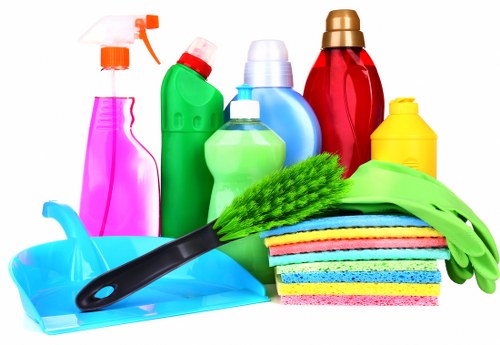
Commercial cleaning supports more than appearance. It helps preserve a healthier indoor environment, creates better first impressions, and contributes to employee productivity. A workplace that is regularly cleaned and maintained feels more professional and welcoming, which can influence how clients, partners, and staff view the business.
In offices, dust buildup, dirty carpets, overflowing trash bins, and neglected restrooms can quickly affect comfort and morale. In customer-facing locations, visible mess can turn people away before they even interact with staff. In industrial environments, poor cleaning can interfere with safety, equipment longevity, and compliance requirements. That is why commercial cleaning should be treated as a strategic investment.
Many businesses also rely on commercial cleaning to manage daily hygiene needs. High-touch surfaces such as door handles, elevator buttons, shared desks, and breakroom counters can collect bacteria and viruses quickly. Regular disinfection and sanitation help reduce risk and keep the workplace more resilient during seasonal illness outbreaks and busy operational periods.
Key benefits of professional commercial cleaning
- Creates a healthier and more sanitary environment
- Improves employee comfort and focus
- Enhances customer trust and brand image
- Protects flooring, furniture, and fixtures
- Supports safety, compliance, and workplace organization
Commercial cleaning is especially important for organizations that host frequent visitors or operate in shared spaces. A clean environment signals responsibility and professionalism, while a neglected one can suggest weak management. For companies that want to stand out, consistent cleanliness can be a powerful competitive advantage.
Types of Commercial Cleaning Services

Commercial cleaning is not one-size-fits-all. Different facilities require different methods, cleaning frequencies, and specialized tools. A professional provider usually offers a range of services that can be tailored to the needs of a business, the size of the property, and the level of traffic the location receives.
Routine cleaning often includes dusting, vacuuming, mopping, restroom cleaning, trash removal, surface disinfection, and breakroom maintenance. These tasks are typically performed daily, nightly, or several times per week depending on the business type. Larger facilities may need multiple cleaning shifts to keep up with use.
Specialized commercial cleaning services can include carpet care, strip and wax services, window washing, pressure washing, post-construction cleanup, deep sanitization, and floor polishing. Some businesses also need industry-specific cleaning for healthcare, food service, manufacturing, or educational settings.
Common service categories
- Janitorial cleaning for offices, lobbies, and restrooms
- Disinfection services for high-touch surfaces and shared areas
- Floor care including sweeping, mopping, buffing, and refinishing
- Carpet and upholstery cleaning to remove dirt, odors, and stains
- Window and glass cleaning for clear visibility and presentation
- Post-construction cleaning to remove dust, debris, and residues
Many companies benefit from a customized service plan that combines several of these offerings. This approach ensures the business gets the exact level of care required without paying for unnecessary extras. A strong commercial cleaning program is built around usage, traffic, and business priorities rather than generic checklists.
Industries That Rely on Commercial Cleaning
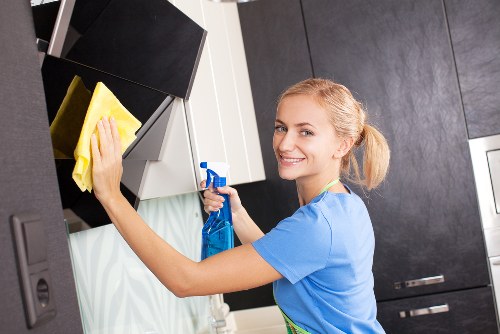
Commercial cleaning serves a wide variety of industries, each with unique standards and operational needs. While an office may prioritize dust control and restroom sanitation, a medical clinic may need strict infection-control procedures, and a warehouse may require heavy-duty debris removal and floor maintenance.
In retail settings, presentation matters because customers notice every detail. Clean floors, spotless windows, and organized common areas can improve the shopping experience and encourage repeat visits. In hospitality, cleanliness is closely linked to guest satisfaction, online reputation, and safety expectations. A hotel, restaurant, or event venue that maintains high cleaning standards builds trust quickly.
Schools and educational facilities also depend on commercial cleaning to support healthy learning environments. Classrooms, cafeterias, hallways, locker rooms, and restrooms all see constant traffic, which means they need regular attention. Likewise, medical offices, dental practices, and clinics depend on reliable cleaning teams to uphold hygiene standards and reduce risk.
Examples of industries that benefit from commercial cleaning
- Corporate offices and coworking spaces
- Retail stores and shopping centers
- Healthcare clinics, dental offices, and laboratories
- Schools, colleges, and daycare centers
- Hotels, restaurants, and entertainment venues
- Warehouses, factories, and distribution centers
Each of these environments requires a slightly different approach. The most effective commercial cleaning services understand industry expectations and adapt their methods accordingly. That flexibility is one reason professional cleaning remains essential across so many sectors.
What Makes Professional Commercial Cleaning Different?
Many business owners handle basic tidying in-house, but professional commercial cleaning goes far beyond emptying trash cans and wiping a desk. It involves structured processes, trained staff, professional-grade tools, and cleaning products selected for performance and safety. The difference is visible in both the short-term appearance and the long-term condition of the space.
Professional crews follow detailed cleaning plans, often based on the property’s layout, occupancy levels, and industry requirements. They know how to clean efficiently without disrupting operations and how to handle areas that need extra attention. This level of consistency is difficult to achieve through informal, ad hoc cleaning efforts.
Another important difference is accountability. Reputable commercial cleaning providers work with checklists, quality control measures, and communication protocols that help ensure tasks are completed properly. Businesses can rely on a predictable schedule and a consistent standard of work, which makes facility management much easier.
Professional tools and techniques
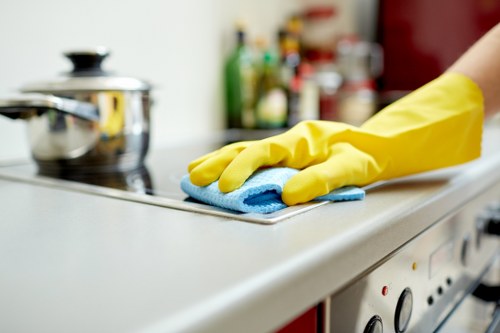
A strong commercial cleaning program often includes advanced equipment such as HEPA-filter vacuums, auto scrubbers, microfiber systems, steam cleaners, and floor buffers. These tools help remove dirt more effectively while reducing cross-contamination. They also support more efficient cleaning for larger buildings and high-traffic facilities.
Cleaning products matter just as much as equipment. Professional teams use disinfectants, degreasers, glass cleaners, carpet solutions, and eco-friendly formulas based on the surface and purpose of the task. Using the wrong product can damage materials or reduce cleaning effectiveness, which is why training matters.
Commercial cleaning providers also understand proper procedures for sequencing tasks. For example, they may clean from high surfaces downward, isolate dirty zones from clean ones, and use separate tools for restrooms and kitchens. These details improve results and help maintain hygiene standards across the building.
Examples of professional methods
- Color-coded microfiber systems to avoid cross-use
- HEPA filtration for improved air quality
- Scheduled disinfection of high-touch surfaces
- Proper dwell time for disinfectants
- Specialized treatments for flooring and carpeting
These methods help commercial cleaning teams deliver reliable outcomes that standard in-house routines may not achieve. The result is a cleaner, healthier, and more professional environment every day.
How Commercial Cleaning Supports Health and Safety

Health and safety are among the most important reasons businesses invest in commercial cleaning. Cleaner spaces can reduce allergens, dust, mold buildup, bacteria, and other contaminants that may affect employee wellbeing. In busy workplaces, even small improvements in sanitation can make a noticeable difference.
High-traffic areas tend to accumulate germs quickly. Shared desks, conference rooms, kitchens, restrooms, and reception areas can all become hotspots if they are not cleaned regularly. Commercial cleaning helps reduce the spread of illness by focusing on these areas with consistent sanitation and disinfection.
Safety also extends to physical hazards. Spills, clutter, debris, and poor floor maintenance can increase the likelihood of slips, trips, and falls. Regular commercial cleaning helps keep walkways clear, floors dry, and work areas organized. For companies with employees and visitors moving through the building every day, this is essential.
Safety-focused cleaning priorities
- Disinfecting shared and high-touch surfaces
- Keeping floors free from spills and debris
- Maintaining restrooms and handwashing stations
- Reducing dust and airborne particles
- Supporting ventilation and indoor air quality
In regulated environments, commercial cleaning also helps businesses stay aligned with industry requirements. Clean facilities are easier to inspect, easier to manage, and more likely to meet internal and external standards. That makes professional cleaning an important part of risk reduction and operational discipline.
Customized Commercial Cleaning Plans for Different Needs
One of the biggest strengths of commercial cleaning is its flexibility. No two businesses operate exactly the same way, so cleaning plans should be customized based on usage, hours of operation, budget, and priorities. A customized plan ensures the most important tasks are completed at the right time without creating unnecessary disruption.
For example, a law office may need daily dusting, restroom sanitation, and weekly floor care, while a manufacturing facility may require frequent debris removal, restroom maintenance, and periodic deep cleaning of work zones. A medical office may need stricter disinfection protocols, and a retail store may need frequent window and floor attention to maintain a polished appearance.
Businesses should also consider timing. Some locations need cleaning before opening, while others benefit from overnight service or weekend maintenance. Flexible scheduling is a major advantage because it allows the business to stay operational while still receiving top-quality care.
Factors that shape a cleaning plan
- Building size and layout
- Number of employees and visitors
- Type of business and industry standards
- Level of foot traffic
- Required frequency of service
- Specific hygiene, sanitation, or presentation goals
When commercial cleaning is tailored properly, businesses get better value and better results. Instead of paying for a generic package, they receive targeted support that aligns with actual needs. This makes the service more efficient and more effective.
Eco-Friendly Commercial Cleaning and Sustainability
Sustainability is becoming a key concern for many organizations, and commercial cleaning can support those goals. Eco-friendly cleaning uses products and practices designed to reduce environmental impact while maintaining strong cleaning performance. Many companies now prefer low-toxicity solutions, efficient water use, and reusable materials.
Green commercial cleaning can be especially attractive for businesses that want to improve indoor air quality and create a healthier environment for staff and visitors. Products with fewer harsh chemicals may reduce irritation and create a more comfortable workspace. Reusable microfiber tools, controlled dispensing systems, and energy-efficient equipment can also reduce waste over time.
Environmental responsibility can also strengthen a brand’s reputation. Customers and employees increasingly notice when a company supports healthier, more sustainable operations. Choosing eco-friendly commercial cleaning can therefore be both a practical and a values-driven decision.
Benefits of green cleaning practices
- Reduced chemical exposure in the workplace
- Improved indoor air quality
- Lower environmental impact
- Compatibility with sustainability goals
- Often safer for sensitive surfaces and shared environments
It is important to note that green commercial cleaning does not mean sacrificing effectiveness. With the right products, training, and process, businesses can maintain excellent hygiene while reducing environmental strain. This balance is increasingly important in modern facilities.
Choosing the Right Commercial Cleaning Provider
Selecting the right cleaning partner is one of the most important decisions a business can make. A dependable provider should bring experience, professionalism, consistency, and clear communication. Since commercial cleaning affects daily operations and workplace impressions, quality should always be a top priority.
Businesses should look for providers that understand their industry, offer flexible scheduling, and can adapt services as needs change. It is also wise to ask about staff training, quality control, insurance coverage, and cleaning products. A provider with strong systems in place is more likely to deliver reliable results over time.
References, online reputation, and service transparency can also be helpful indicators. While price matters, choosing solely based on cost can lead to inconsistent results or missed tasks. The best value comes from a commercial cleaning partner that balances affordability with high standards and dependable performance.
Questions to ask before hiring
- What services are included in the cleaning plan?
- How often will each area be cleaned?
- Do you offer customized commercial cleaning schedules?
- What training do your cleaning staff receive?
- How do you handle quality control and issues?
- Are eco-friendly products available?
Choosing carefully helps ensure the provider can support the business long term. A strong relationship with a commercial cleaning company can simplify facility management and improve consistency across the entire property.
Commercial Cleaning and Workplace Productivity
Clean workspaces often contribute to better productivity. Employees are less likely to feel distracted by clutter, unpleasant odors, or unsanitary conditions when the environment is well maintained. A cleaner workplace also supports a more organized workflow, which can save time and reduce frustration.
When staff members feel that their environment is cared for, morale tends to improve. This can create a more positive workplace culture and even support retention. Employees appreciate businesses that invest in their comfort and wellbeing, and commercial cleaning is a visible way to show that commitment.
Clients and visitors also respond positively to clean facilities. Whether it is a waiting room, lobby, conference area, or showroom, a well-kept space can create confidence before a conversation even begins. In that sense, commercial cleaning supports both internal productivity and external reputation.
How cleanliness can improve operations
- Reduces distractions caused by mess and clutter
- Creates a more organized and welcoming environment
- Supports employee health and attendance
- Improves customer perception and trust
- Protects equipment and facility surfaces
These benefits make commercial cleaning a smart operational choice for businesses of all sizes. A clean workplace is easier to manage, more enjoyable to use, and more likely to leave a strong impression.
Conclusion: Why Commercial Cleaning Is a Smart Investment
Commercial cleaning is far more than a basic maintenance task. It is a core part of creating a professional, safe, and productive business environment. From routine janitorial care to specialized sanitation and floor maintenance, the right service plan helps businesses maintain standards that matter to employees, customers, and stakeholders.
As businesses grow and expectations rise, commercial cleaning becomes even more valuable. It supports health, enhances brand image, protects assets, and helps facilities operate more efficiently. Whether a company manages a small office or a large multi-site operation, investing in commercial cleaning is a practical way to improve everyday performance.
If your organization is ready to improve cleanliness, boost workplace comfort, and present a stronger image, now is the time to take action. Contact us today to explore a cleaning solution tailored to your needs, or book your service now and experience the difference a professional commercial cleaning plan can make.