Oven Cleaning in the Modern Home: Practical Methods, Smart Habits, and Lasting Results
Oven cleaning is one of those household tasks that people often delay until burnt-on grease, smoke, and unpleasant odors make it impossible to ignore. Whether you cook every day or only on weekends, keeping your oven clean matters for hygiene, performance, and even the flavor of your food. A well-maintained oven heats more evenly, uses energy more efficiently, and helps prevent smoke from lingering through the kitchen. In short, oven cleaning is not just about appearance; it is about creating a safer, fresher, and more efficient cooking space.
Many homeowners assume oven cleaning has to be difficult, time-consuming, or full of harsh chemicals. In reality, there are several ways to tackle the job, from simple regular maintenance to deep-clean strategies that remove stubborn buildup. The best method depends on how often you cook, the type of oven you own, and how much residue has built up over time. With the right plan, oven cleaning can become a manageable routine instead of an overwhelming chore.
In this article, we’ll look at why oven cleaning is important, how to clean different oven parts, what tools and ingredients work best, and how to keep your appliance cleaner for longer. If your goal is to enjoy better cooking results and a healthier kitchen environment, learning the basics of oven cleaning is a smart place to start.
Why Oven Cleaning Matters More Than You Think
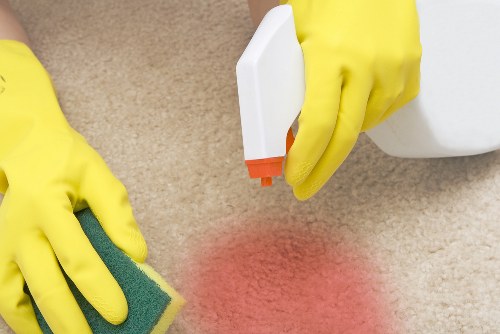
A dirty oven can affect much more than the way your kitchen looks. When grease, food spills, and carbonized residue build up inside the oven, they can create smoke, unpleasant smells, and even uneven heating. That means your roast may cook slower in one section, your baked goods may brown unevenly, and your meals may take longer than expected. Regular oven cleaning helps the appliance operate properly and makes cooking more predictable.
There is also a clear health angle. Old food debris can harbor bacteria and produce smoke during high-temperature cooking. If your oven has heavy buildup, the residue can burn and release odors that affect the taste and smell of your food. For households that prepare meals frequently, oven cleaning supports a cleaner kitchen overall and reduces the amount of airborne grease that can settle on nearby surfaces.
Another reason oven cleaning matters is appliance longevity. Built-up grime can interfere with seals, fans, heating elements, and self-cleaning functions. Over time, this strain can reduce efficiency and lead to costly repairs. By taking oven cleaning seriously, you’re not only improving short-term performance—you’re also protecting a valuable appliance for the long run.
Signs Your Oven Needs Attention
Not every oven needs deep cleaning after every use, but certain warning signs indicate it’s time to act. If you notice smoke when the oven is on, dark stains on the glass door, a sticky interior, or food that smells like burnt grease, those are clear clues. In many homes, oven cleaning becomes necessary long before the appliance looks visibly filthy.
Common signs include:
- Persistent burning smell during preheating
- Visible grease splatters or baked-on residue
- Discolored oven racks
- Cloudy or streaked glass doors
- Uneven cooking or weak heat circulation
If any of these issues sound familiar, a thorough oven cleaning can make a noticeable difference right away.
Different Types of Oven Cleaning Methods

There is no single best way to approach oven cleaning because the right method depends on the level of buildup and the features of the appliance. Some ovens have a self-cleaning function, while others require manual scrubbing. For lighter maintenance, a simple wipe-down may be enough. For older or heavily used ovens, a deeper cleaning routine may be needed to restore the interior properly.
One of the most popular approaches is manual oven cleaning using safe household products such as baking soda, vinegar, and warm water. This technique is ideal for people who want to avoid strong fumes. Another method is the self-cleaning cycle found in many modern ovens. While convenient, it can generate very high temperatures and may not be suitable for every household. Understanding the differences helps you choose the safest and most effective oven cleaning method for your situation.
Professional oven cleaning is also an option for those who want expert help or have not cleaned the oven in a long time. This is often the best choice when grime has hardened over months or years. Professional cleaning can reach areas that are difficult to access and is especially useful for households that cook heavily or use the oven nearly every day.
Manual Cleaning vs Self-Cleaning
Manual oven cleaning gives you full control over the process. You decide which products to use, how long to let them sit, and how much scrubbing is needed. This can be gentler on delicate finishes and may be preferable for ovens with sensitive parts. The tradeoff is that it takes more time and effort. Still, for many homeowners, manual oven cleaning is the safest and most flexible method.
Self-cleaning ovens use extremely high heat to turn residue into ash, which can then be wiped away. This sounds convenient, but it can create strong odors and may trigger smoke alarms if the oven is heavily soiled. It can also stress older components. If you choose this route, make sure to follow manufacturer instructions carefully and ventilate the kitchen well.
For many homes, a balanced routine works best: light manual cleaning after use, followed by occasional deep oven cleaning when buildup starts to appear. This approach reduces effort over time and keeps the appliance in better condition overall.
Preparing for Safe and Effective Oven Cleaning

Before starting oven cleaning, preparation matters. A little planning can save time and prevent accidents. First, make sure the oven is completely cool. If the appliance was recently used, wait until it is safe to touch. Next, remove oven racks, trays, thermometers, pizza stones, and any loose items inside the cavity. Clearing the space allows you to clean every surface thoroughly.
It is also smart to protect the area around the oven. Lay down old towels, newspaper, or absorbent cloths to catch drips and debris. If you are using a cleaning solution, open nearby windows to improve air circulation. Good ventilation helps reduce odors and makes the process more comfortable, especially during deeper oven cleaning sessions.
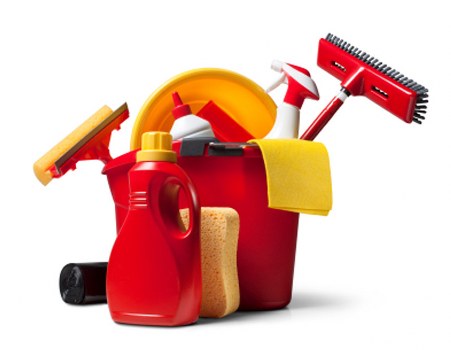
Gather your tools before you begin. Having everything within reach keeps the task simple and efficient. A complete oven cleaning setup might include gloves, microfiber cloths, a soft sponge, a plastic scraper, a small brush, baking soda, white vinegar, warm water, and a spray bottle. With the right tools ready, the job feels much less intimidating.
What to Avoid Before You Start
There are a few common mistakes that can make oven cleaning harder or even damage the appliance. Avoid metal scrapers on delicate surfaces, and do not use abrasive pads on coated interiors unless the manufacturer allows it. Harsh chemicals should also be used with caution. In many cases, a gentler method is more effective for routine oven cleaning.
- Do not clean a hot oven
- Do not mix chemical products unless the label says it is safe
- Do not ignore manufacturer instructions
- Do not soak electrical components
- Do not use overly abrasive tools on glass or enamel
Careful preparation helps protect the appliance and makes oven cleaning smoother from the start.
Step-by-Step Oven Cleaning at Home
For many households, the simplest and safest oven cleaning method is a baking soda paste. This approach works well for grease, grime, and baked-on splashes without creating harsh fumes. It is especially helpful if you prefer natural cleaning products or have pets and children in the home. The process takes some time, but it is straightforward and effective.
Start by mixing baking soda with a small amount of water to form a spreadable paste. Apply it to the inside of the oven, avoiding heating elements and sensitive openings. Focus on stained areas, corners, and spots where residue is thickest. Let the paste sit for several hours or overnight. This gives it time to loosen the buildup so that scrubbing becomes easier. After waiting, wipe away the paste with a damp cloth and use vinegar in a spray bottle to remove remaining residue.
If the oven is very dirty, repeat the process on stubborn spots. For extra-difficult grime, a plastic scraper can help lift softened debris without scratching the surface. After the interior is clean, wash the racks separately in warm soapy water or soak them in a tub if the buildup is significant. Dry everything fully before putting the parts back in place.
How to Clean Oven Glass
The glass door often shows stains quickly because grease and steam collect there during cooking. Oven cleaning should always include the glass so the appliance looks as good as it functions. A soft sponge and a mild cleaning paste are usually enough for everyday marks. If the glass has heavy film or brown spots, let the cleaner sit a little longer before wiping.
For an effective glass-cleaning routine:
- Let the oven cool completely.
- Remove loose crumbs from the door.
- Apply a small amount of baking soda paste or a glass-safe cleaner.
- Let it rest for several minutes if needed.
- Wipe with a damp microfiber cloth.
- Buff dry for a streak-free finish.
Clean glass improves visibility and gives the whole kitchen a fresher appearance. It is one of the simplest ways to make oven cleaning feel worthwhile right away.
Deep Oven Cleaning for Stubborn Grease and Burnt Residue
Sometimes standard oven cleaning is not enough. If grease has layered over time or food has carbonized on the interior, you may need a deep-clean approach. Deep oven cleaning takes more effort, but it can restore the appliance dramatically. The goal is to loosen thick buildup without damaging the oven’s finish or internal components.
For heavy residue, start by removing as much loose debris as possible with a dry cloth or soft brush. Apply a thicker layer of baking soda paste or a specialized oven cleaner approved for your appliance. Allow it to sit longer than usual so the residue softens fully. After the wait, use a damp cloth to lift away the grime in sections. Working in small areas often produces better results than trying to scrub the entire oven at once.
If the oven racks are especially dirty, soak them in hot water mixed with dish soap. Some homeowners add baking soda to the soak for additional cleaning power. After soaking, use a sponge or nylon brush to remove softened grease. For heavily stained racks, a second soak may be necessary. Once they are clean, dry them completely to prevent rust or water spots.
When to Consider Professional Help
There are times when professional oven cleaning makes sense. If the oven has not been cleaned for years, if smoke is still coming from the appliance after cleaning, or if the self-cleaning function has failed, a specialist may be the best solution. Professionals have access to stronger tools and methods that can break down buildup more efficiently.
Professional oven cleaning is also helpful for busy households, landlords preparing a property, or anyone who wants the appliance restored quickly. It can save time and reduce the risk of accidental damage from using the wrong products. If you value convenience and strong results, this option is worth considering.
Tip: A professional service is often most valuable when the oven is neglected, the buildup is severe, or the appliance has special surfaces that require extra care.
Keeping Your Oven Cleaner for Longer
The best oven cleaning strategy is the one that prevents heavy buildup in the first place. Small habits can make a huge difference. For example, wiping spills once the oven is cool keeps them from baking on during the next meal. Using oven liners, roasting pans, and covered dishes can also reduce mess. These simple steps help you spend less time on deep oven cleaning later.
Another useful habit is to handle drips early. If cheese overflows, sauce splatters, or grease pops during cooking, clean the area as soon as it is safe to do so. Fresh spills are much easier to remove than hardened residue. Regular maintenance also means your oven stays more efficient, so the appliance does not have to work as hard to deliver steady heat.
It helps to build oven cleaning into your home routine. A quick monthly check can prevent grime from getting out of control. If you cook heavily, you may need to clean more often. If you rarely use the oven, you may still want to inspect it before baking holidays, family meals, or weekend gatherings. Consistency is the secret to low-stress oven cleaning.
Smart Habits for Daily Maintenance
- Wipe up spills after the oven cools
- Use baking trays to catch drips
- Check racks and corners regularly
- Ventilate the kitchen while cooking
- Schedule light oven cleaning before buildup becomes stubborn
These small habits reduce the need for intensive scrubbing and keep your kitchen more pleasant every day.
Choosing the Right Products
Not every cleaner is suitable for every oven. Always read the product label and check your appliance manual. Some cleaners are designed for enamel interiors, while others are better for glass or stainless steel. Using the wrong product can leave marks or damage finishes. If you prefer a low-odor approach, baking soda and vinegar remain reliable choices for many oven cleaning tasks.
Safe products are often just as effective when used correctly. The key is patience, proper application, and consistent routine care. In many cases, the best oven cleaning results come from simple methods used regularly rather than aggressive methods used rarely.
Final Thoughts on Routine Care
Good oven cleaning habits protect your appliance, improve cooking performance, and make your kitchen more enjoyable. Whether you choose a natural cleaner, a self-cleaning cycle, or a professional service, the most important thing is consistency. A clean oven is easier to use, easier to maintain, and better for everyday cooking. If your appliance is due for attention, book your service now or take the first step with a careful at-home cleaning session. Contact us today if you want cleaner results, better performance, and a fresher kitchen environment.