End of Tenancy Cleaning in
Why End of Tenancy Cleaning Matters

End of tenancy cleaning in is one of the most important tasks renters face when moving out of a property. Whether you are a tenant hoping to recover your full deposit, a landlord preparing for new occupants, or a letting agent managing a handover, a thorough clean can make a major difference. A property that has been professionally cleaned looks brighter, smells fresher, and creates a strong first impression for inspections and viewings.
Many tenants underestimate how strict inventory checks can be. Even if a home looks clean at first glance, hidden dirt, grime, limescale, grease, and dust can lead to deductions. That is why end of tenancy cleaning is not just about tidiness; it is about meeting an expected standard. From skirting boards and ovens to carpets and bathrooms, every part of the property should be restored to a presentable condition.
For landlords, a well-executed end of tenancy cleaning service helps reduce vacancy time and makes the property easier to rent again. For tenants, it can mean the difference between losing part of a deposit and receiving it back in full. In short, it is a practical investment that saves time, stress, and money.
What End of Tenancy Cleaning Includes

End of tenancy cleaning usually covers a deep, top-to-bottom clean of the entire home. Unlike regular weekly cleaning, this process targets the hidden buildup that accumulates over months or years. The aim is to leave the property as close as possible to the condition it was in at the start of the tenancy, allowing for fair wear and tear.
A typical end of tenancy cleaning checklist includes kitchens, bathrooms, bedrooms, living areas, hallways, and utility spaces. Appliances, cupboards, sinks, taps, tiles, windows, fixtures, and fittings all need careful attention. In many cases, carpets may also need steam cleaning, especially if the tenancy agreement specifically requires it.
It is also common for a professional cleaning team to focus on neglected areas such as behind furniture, inside wardrobes, under beds, along edges, and around extractor fans. These spots may not be obvious during day-to-day living, but they are often reviewed during a final inspection. Attention to detail is what sets end of tenancy cleaning apart from normal domestic cleaning.
Kitchen Cleaning Tasks
The kitchen is usually the most demanding part of any end of tenancy cleaning in project. Cooking produces grease, food splashes, and stubborn residue that can settle on surfaces and appliances. As a result, this room often needs the most time and effort.
Key kitchen tasks typically include cleaning the oven, hob, extractor fan, splashbacks, cupboards, drawers, refrigerator, dishwasher, microwave, and worktops. The sink and taps should be descaled and polished, while floors need to be swept, mopped, and dried properly. Inside and outside of cabinets should also be checked for crumbs, stains, or sticky marks.
For landlords and tenants alike, a spotless kitchen signals proper maintenance. Professional end of tenancy cleaning often pays special attention to oven degreasing, because ovens are one of the most frequently inspected items in rental properties.
Bathroom Cleaning Tasks
Bathrooms require a similarly detailed approach. Limescale, soap scum, mould, and water stains can quickly become visible on tiles, glass screens, sinks, showers, baths, toilets, and taps. A standard wipe-down is rarely enough to meet inspection standards.
During end of tenancy cleaning, bathroom surfaces should be disinfected and polished. Grout may need scrubbing, mirrors should be streak-free, and drains should be cleared of hair or debris. Toilet bowls, cisterns, seats, and surrounding areas must be sanitised carefully.
Bathrooms are often small but highly scrutinised. A clean, fresh bathroom can significantly improve the overall impression of the property, making the handover smoother and more professional.
Benefits of Professional End of Tenancy Cleaning
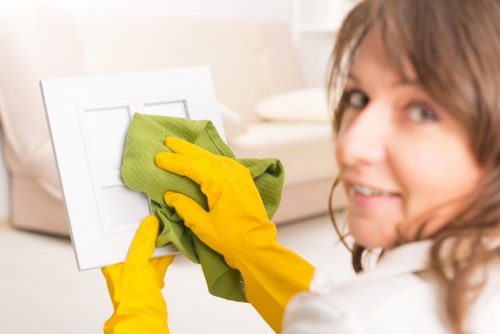
Choosing a professional end of tenancy cleaning service offers several advantages. The most obvious is convenience. Moving house is already stressful, and trying to deep clean an entire property at the same time can feel overwhelming. A trained team can handle the job faster and more thoroughly than most tenants can manage alone.
Another major benefit is consistency. Professional cleaners follow a structured process and know exactly what landlords and letting agents look for. They bring the right tools, solutions, and techniques to remove grime, tackle limescale, and refresh hard-to-reach areas. This reduces the risk of missed spots and improves the likelihood of passing an inspection.
There is also a financial benefit. Although a end of tenancy cleaning in service has an upfront cost, it can help avoid deductions from the deposit that may be far higher. For many tenants, the service pays for itself by improving the chances of a full deposit return.
Why It Helps with Deposit Recovery
Deposit disputes are often caused by cleaning issues rather than structural damage. Landlords and agents may deduct funds if the property is left in a poor condition or if certain areas are not cleaned to the expected standard. End of tenancy cleaning reduces this risk by addressing the exact issues that tend to trigger deductions.
By documenting the condition of the property before and after the clean, tenants can also create a clearer record of the handover. This can be useful if there is any disagreement at checkout. A well-cleaned home gives everyone involved more confidence that the tenancy has ended on a positive note.
Book your service now if you want to save time, reduce stress, and improve your chances of a clean deposit return.
End of Tenancy Cleaning Checklist for Tenants

A practical end of tenancy cleaning checklist helps make the process more manageable. Instead of trying to clean randomly, tenants can work room by room and ensure nothing is missed. This is especially useful when time is short and moving boxes are everywhere.
Here is a simple example of what to include:
- Dust all reachable surfaces, shelves, and skirting boards
- Clean light switches, door handles, and sockets
- Vacuum carpets and mop hard floors
- Remove cobwebs from corners and ceilings
- Clean windows, frames, sills, and tracks
- Wipe internal doors and banisters
- Empty bins and remove all rubbish
- Clean inside cupboards, wardrobes, and drawers
- Descale taps, shower heads, and bathroom fixtures
- Deep clean kitchen appliances and sinks
Using a checklist can help tenants stay organised and avoid last-minute panic. It also ensures that end of tenancy cleaning is completed systematically rather than rushed. For larger homes, it may help to split the tasks over several days.
Common Missed Areas
Even diligent tenants sometimes overlook certain areas. These include behind radiators, on top of cupboards, under beds, around plugs, inside washing machine seals, and between bathroom tiles. Dust and grime can build up in these places without being noticed during everyday cleaning.
End of tenancy cleaning in is most effective when every corner receives attention. Missing just one or two small areas can affect the overall impression during the final inspection. That is why many tenants choose a professional team that already knows which spots tend to be checked.
It is also wise to inspect the property in daylight if possible. Natural light often reveals marks, dust, and streaks that artificial lighting hides.
How End of Tenancy Cleaning Differs from Regular Cleaning
Regular cleaning focuses on maintaining a liveable and pleasant home. End of tenancy cleaning, by contrast, aims for a much deeper and more detailed result. It is about restoring rather than maintaining, which means every surface is treated with greater care.
In a normal cleaning routine, a tenant might vacuum, wipe counters, and clean the bathroom weekly. During end of tenancy cleaning, the same areas are addressed more thoroughly, including hard-to-reach sections, stubborn stains, appliance interiors, and hidden dust accumulation. The work often takes several hours or even a full day depending on the property size.
This distinction matters because landlords and agents usually judge the property against a higher benchmark than everyday cleanliness. A home can be neat and still fail an inspection if it has grease, scale, dust, or dirt in overlooked places.
Deep Cleaning Versus Standard Cleaning
Deep cleaning goes beyond the visible areas. It may include scrubbing grout, polishing fixtures, cleaning vents, removing mould spots, and degreasing extractor fans. Standard cleaning is useful for weekly upkeep, but it usually does not reach the level expected at the end of a tenancy.
For this reason, many people search specifically for end of tenancy cleaning in rather than regular domestic cleaning. The wording matters because the service itself is designed for move-out conditions and rental property standards.
What Affects the Cost of End of Tenancy Cleaning

Several factors influence the price of end of tenancy cleaning. Property size is one of the biggest. A studio flat will naturally take less time to clean than a three-bedroom house with multiple bathrooms and appliances. The level of dirt and the condition of the property also make a difference.
Additional services can increase the cost. These may include carpet cleaning, oven cleaning, upholstery cleaning, internal window cleaning, and stain removal. Some properties need more intensive treatment because they have pets, smokers, heavy use of appliances, or long-term buildup in kitchens and bathrooms.
Location can also play a role, especially when service providers need to account for travel, parking, or access challenges. When comparing quotes, it is important to check exactly what is included. A cheaper offer is not always better if it leaves out essential tasks.
How to Compare Cleaning Services
When comparing providers for end of tenancy cleaning in , it helps to focus on value rather than price alone. Look at what each package includes, whether equipment and cleaning products are provided, and whether the team offers a re-clean policy if issues are raised after inspection.
- Check the cleaning checklist carefully
- Ask whether appliances and bathrooms are included
- Confirm if carpets and ovens cost extra
- Review whether the team is insured
- Understand any guarantee or re-clean terms
A transparent service is usually more reliable than one with vague promises. Clear expectations reduce stress and make the whole moving process smoother.
Tips for Preparing Your Property Before Cleaning
To get the best results from end of tenancy cleaning, a little preparation can go a long way. Before the cleaners arrive, remove all personal belongings, empty cupboards, and dispose of rubbish. This allows the team to access every area without delay.
It can also help to defrost the freezer in advance, disconnect unused appliances if safe to do so, and make sure utilities remain on so water and electricity are available. Cleaners often need these services to complete a thorough job. If the property is empty, inform the service provider so they can plan accordingly.
Tenants should also take photos before and after cleaning. These images can be useful in case any dispute arises later. While this may seem like an extra step, it adds peace of mind during an already busy move-out period.
Useful Preparation Checklist
- Pack and remove all personal items
- Unplug small appliances where appropriate
- Leave keys or access arrangements ready
- Ensure lights and water are working
- Clear surfaces and cupboards if possible
- Report any damage separately from cleaning issues
Good preparation helps the cleaners focus on the actual end of tenancy cleaning in tasks rather than spending valuable time moving items around.
End of Tenancy Cleaning for Landlords and Letting Agents
Landlords and letting agents benefit greatly from consistent cleaning standards. When a property is returned in a clean condition, it is easier to market, photograph, and inspect. This can shorten void periods and increase the property’s appeal to prospective tenants.
For landlords, end of tenancy cleaning is part of protecting the long-term condition of the asset. A deep clean between tenancies helps reveal maintenance issues that may have been hidden by clutter or grime. It also creates a professional presentation for viewings.
Letting agents often use end of tenancy cleaning to ensure smoother transitions between occupants. A clean property is more likely to make a strong impression, which supports quicker re-letting and fewer complaints from incoming tenants.
Why Standards Matter
High cleaning standards help create fairness during the end-of-tenancy process. If one tenant leaves a property in excellent condition, it becomes easier to compare inventory reports accurately. That consistency can reduce disagreements and support better relationships between all parties involved.
When end of tenancy cleaning is carried out properly, the result is not just a cleaner property but a more efficient property management process overall.
DIY or Professional Cleaning: Which Is Better?
Some tenants prefer to handle the cleaning themselves to save money. This can work well if the property is small, lightly used, and the tenant has enough time and equipment. However, DIY cleaning can become exhausting if the home needs a full deep clean and the moving schedule is already tight.
Professional end of tenancy cleaning in is usually the better choice for larger properties, heavily used kitchens, stained carpets, or homes with strict checkout standards. Professionals bring experience, efficiency, and specialist tools that can improve the final result.
The right choice depends on budget, time, and the property’s condition. For many renters, the peace of mind offered by a professional service is worth the cost, especially when a deposit is at stake.
When DIY May Be Enough
DIY cleaning may be sufficient if:
- The property was only occupied for a short period
- You have maintained it well throughout the tenancy
- There are few appliances or carpets to clean
- You have multiple days available before checkout
Even then, it is wise to use a proper checklist and inspect everything carefully. End of tenancy cleaning is about leaving the home in a condition that meets formal expectations, not just personal standards.
Final Thoughts on End of Tenancy Cleaning
End of tenancy cleaning is more than a final tidy-up. It is a structured, detailed process that helps tenants protect deposits, landlords prepare properties, and agents maintain professional standards. A clean property reflects care, responsibility, and attention to detail, which matters at every stage of a tenancy.
Whether you choose to do the work yourself or hire professionals, the key is to be thorough. Focus on the kitchen, bathroom, floors, fixtures, and hidden areas. Use a checklist, allow enough time, and do not underestimate how closely an inspection may look at the details.
If you are moving soon, planning ahead can save a great deal of stress. Contact us today or Book your service now to make your move-out process easier and improve your chances of a spotless handover.
For anyone searching online, phrases like end of tenancy cleaning in , move-out cleaning, rental property cleaning, and deposit return cleaning are all closely related. Using the right service at the right time can make the transition from one home to the next far smoother.
In a busy rental market, a clean handover is a strong final impression. With the right approach, end of tenancy cleaning can help ensure that both tenants and property owners move forward with confidence.