Insurance and Safety
 Keeping people, property, and operations protected starts with a clear commitment to insurance and safety. Whether work is carried out on a domestic property, commercial site, or public-facing location, the right controls help reduce uncertainty and support a professional service. A well-structured insurance and safety policy is not just about meeting obligations; it is about creating a reliable environment where risks are managed before they become incidents.
One of the most important elements of this approach is public liability insurance. This type of cover helps protect against claims arising from accidental injury to third parties or damage to their property. In practical terms, it provides an essential layer of reassurance when tasks involve visitors, clients, neighbours, or members of the public. Good liability protection shows that safety is taken seriously from the outset.
Our insurance and safety procedures are built around preparation, awareness, and consistency. Every project is considered on its own merits, with the relevant hazards identified before work begins. By combining suitable insurance cover with a proactive safety culture, the service remains dependable, responsible, and ready to respond to changing conditions.
 Staff training plays a central role in maintaining safe working practices. Team members are trained to recognise common risks, follow correct procedures, and use equipment appropriately. Training is not treated as a one-time exercise; it is refreshed regularly so that knowledge remains current and aligned with best practice. This helps ensure that safety management is embedded in day-to-day operations rather than added as an afterthought.
Training covers a wide range of subjects, including manual handling, safe equipment use, hazard awareness, emergency procedures, and site etiquette. Where specialist tasks are involved, additional instruction is provided so that employees understand the specific controls required. This approach supports a safe working environment and helps prevent avoidable mistakes that could place people or property at risk.
 Alongside training, the correct use of PPE is essential. Personal protective equipment may include gloves, safety footwear, eye protection, high-visibility clothing, respiratory protection, or hearing protection depending on the task. PPE is selected based on the nature of the work and the hazards identified in advance. It is worn properly, maintained in good condition, and replaced when necessary to preserve its effectiveness.
The health and safety approach also extends to planning and supervision. Supervisors monitor work conditions, confirm that protective measures are in place, and make sure that staff understand their responsibilities. This helps create a culture where safe behaviour is normal and where concerns can be raised early. A strong culture is often the difference between a controlled task and an avoidable incident.
Our risk assessment process is designed to be practical, thorough, and easy to apply. It begins by identifying the activity, the environment, and anyone who may be affected. Hazards are then examined, and the likelihood and severity of harm are considered. From there, control measures are introduced to reduce risk to an acceptable level. This may involve adjusting the method of work, restricting access, using barriers, or selecting additional PPE.
Risk assessments are reviewed whenever circumstances change. This includes changes in location, equipment, weather, staff availability, or the nature of the work itself. Regular review is especially important because even routine tasks can become hazardous if conditions alter. A dynamic approach to risk assessment helps maintain control and keeps the focus on prevention rather than reaction.
 Another important part of insurance and safety management is communication. Clear instructions are given before work begins, and key hazards are explained in language that is easy to understand. This improves awareness and ensures that everyone involved knows what is expected of them. Where necessary, additional briefings are provided to address site-specific issues or time-sensitive risks.
Documentation supports this process by creating a clear record of assessments, controls, and training. Keeping accurate records helps demonstrate that responsibilities have been considered carefully and that appropriate action has been taken. It also makes it easier to monitor trends, identify recurring issues, and improve procedures over time. In this way, documentation strengthens both operational safety and accountability.
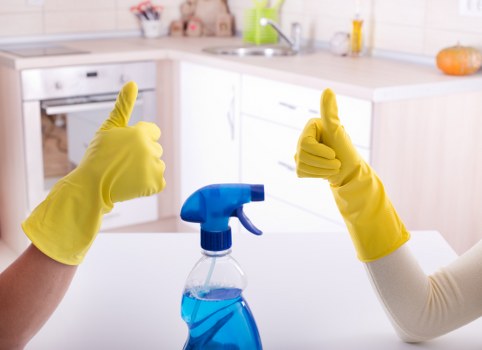 Ultimately, strong public liability insurance, effective staff training, reliable PPE, and a structured risk assessment process work together to protect everyone involved. These measures do not operate in isolation; they form a complete framework that supports safe, professional, and responsible service delivery. By maintaining high standards and reviewing them regularly, the organisation remains prepared for everyday tasks as well as unexpected challenges.
Insurance and safety should be seen as ongoing commitments rather than fixed policies. When they are actively maintained, they help build trust, reduce disruption, and protect the people who depend on safe working practices. Through careful planning, informed decision-making, and consistent attention to detail, the overall standard of safety stays strong across every stage of work.