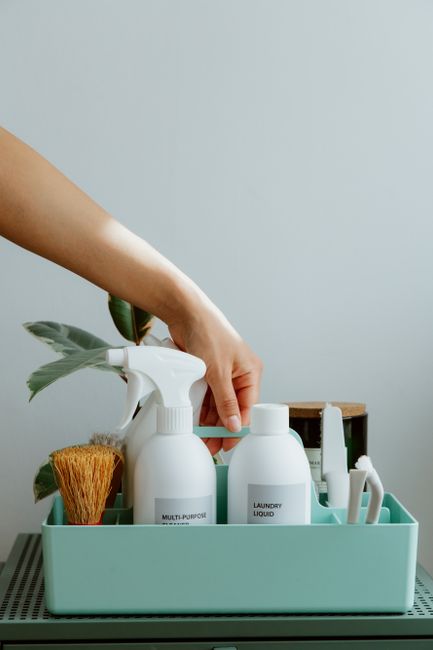
South Quay short term rental cleaning checklist E14

If you manage a short stay property in South Quay, you already know this: cleanliness is not a "nice to have", it is the thing guests remember first. A spotless apartment can make a late arrival feel easy, while a missed bin liner or dusty skirting board can sour the whole stay in minutes. This guide on the South Quay short term rental cleaning checklist E14 walks through what should be cleaned, why it matters, and how to keep standards consistent between check-outs and the next guest arriving with bags in hand.
Whether you host a single flat, a serviced apartment, or a portfolio of properties across E14, the aim is the same: a reliable turnover routine that saves time, protects reviews, and reduces avoidable issues. Below you will find a practical checklist, a comparison of cleaning approaches, and a few local, real-world considerations that often get missed. Let's make it properly useful.
Why South Quay short term rental cleaning checklist E14 Matters
Short term rentals in South Quay are judged quickly. A guest opens the door, looks at the hallway, bathroom, bed, and kitchen, and in a few seconds decides whether the place feels cared for. That is not dramatic; it is just how people behave when they have been travelling, carrying luggage, and trying to get their bearings in a busy London neighbourhood.
A proper cleaning checklist matters because turnover cleaning is not the same as a normal domestic tidy. You are not just making the place look nice. You are resetting it for the next booking. That means removing traces of the previous guest, checking for damage, refreshing high-touch areas, and making sure nothing looks rushed. Even a tiny thing like a streaky mirror or crumbs inside a toaster can make a space feel less trustworthy.
There is also a business side to this. If you host regularly, missed tasks become expensive in a sneaky way. One overlooked stain can lead to a poor review. One forgotten bathroom item can trigger a complaint. One bad review can then affect future bookings. It is a bit tedious, but true.
Expert summary: a strong short stay cleaning checklist is really a consistency tool. It helps you deliver the same guest experience every time, even when different cleaners, different schedules, or late check-outs are involved.
How South Quay short term rental cleaning checklist E14 Works
The checklist works best when it is built around the guest journey, not just room names. Think of it as a reset process: entry, living space, kitchen, sleeping area, bathroom, finishing touches, and final inspection. That structure keeps the clean efficient and makes it easier to spot gaps.
For most short term rental properties, the process starts with a quick walk-through. You check for damage, lost property, food left behind, and any maintenance issues. Then you clean from top to bottom, dry to wet, and clean to dirty. If you do it the other way round, you end up redoing work. Annoying, and avoidable.
In South Quay, where many properties are in apartment blocks, there is often one more layer to consider: shared access. Lift journeys, corridor noise, porters, entry codes, and building rules can all affect how a turnover runs. That is why a checklist must include not only the property itself, but the practical steps around getting in, working quickly, and leaving the common area tidy. If the building has communal standards, it helps to keep a close eye on those too, and pages like communal area cleaning can be useful if you manage more than one unit.
Many hosts also use a slightly broader clean between longer guest gaps. In those cases, a service such as deep cleaning can sit alongside the regular turnover routine, especially after a heavy-use weekend or a longer stay. It is not overkill. Sometimes it is just common sense.
Key Benefits and Practical Advantages
The obvious benefit is a cleaner property. But the real value goes further than that. A solid checklist helps you build repeatable standards, reduce stress on turnover day, and catch issues before they become guest complaints.
- More consistent guest experience: every stay starts from the same baseline.
- Fewer missed details: the checklist acts like a second pair of eyes.
- Faster turnovers: cleaners know exactly what to do and in what order.
- Better asset care: early spotting of stains, wear, or breakages helps protect the property.
- Improved review potential: fresh bedding, clean bathrooms, and polished surfaces matter more than people admit.
- Less last-minute panic: you are not improvising at 3 pm with check-in at 4.
There is also a hidden benefit: confidence. Hosts sleep better when they know the property is being reset properly. You do not need to hover over every task. You just need a clean system, and maybe a decent torch for those under-bed dust bunnies that always seem to be plotting something.
If you prefer a wider property care routine between stays, it can help to compare this kind of turnover work with regular cleaning and one-off cleaning. They overlap in places, but a short term rental often needs a sharper, more inspection-led finish.
Who This Is For and When It Makes Sense
This checklist is for anyone responsible for a short stay property in or around E14. That includes individual hosts, landlords with furnished lets, serviced apartment operators, and property managers handling multiple turnovers.
It makes sense if you are dealing with:
- back-to-back guest stays
- last-minute bookings
- frequent self-check-ins
- higher guest expectations
- more wear on soft furnishings and kitchens
- the need to coordinate cleaning with laundry, key handover, or maintenance
It also makes sense if you are currently relying on memory. Memory is great until it is not. A checklist reduces dependency on "I think I did that already". We have all said it. Nobody loves being caught out by a missing hairdryer, a half-emptied bin, or a bathroom shelf that still has toothpaste splashes from the previous stay.
If your property is used as a furnished rental but also sees longer vacant periods, you may need a mix of turnover work and more comprehensive care. In that case, move out cleaning and move in cleaning are useful reference points for the kind of thoroughness that a deeper reset sometimes requires.
Step-by-Step Guidance
The best way to handle South Quay short term rental cleaning checklist E14 is to work in a set sequence. Here is a practical order that keeps the job tidy and efficient.
1. Start with an arrival check
Before cleaning, inspect the space. Look for damage, missing items, unusual smells, overflowing bins, and anything that needs reporting. Open windows if needed to air the place out. If something looks broken, photograph it before you move anything. It saves headaches later.
2. Strip and reset soft furnishings
Remove used bedding and towels, check mattress protectors, and inspect pillows and duvets for stains. A good turnover always begins with laundry, because the bed is one of the first things guests judge. If you manage bedding-heavy properties, consider whether mattress cleaning or broader upholstery care is needed from time to time.
3. Clean bedroom surfaces
Dust bedside tables, lamps, skirting boards, wardrobe handles, switches, and under-bed areas. Check drawers for left-behind items. Reset hangers neatly. If there is a mirror, make sure it is streak-free. Small thing, big impression.
4. Tackle the bathroom properly
The bathroom should feel fresh, dry, and hygienic. Clean the toilet, sink, tapware, shower screen, grout lines, mirror, tiles, and any visible limescale. Replace toiletries if your setup includes them. Check the extractor fan and make sure there is no damp smell hanging around. A quick wipe is not enough here, truth be told.
5. Reset the kitchen
Clear food residue, disinfect worktops, wipe cupboard fronts, clean the sink, and check inside the fridge, freezer, and microwave. Empty and reliner bins. Clean appliance exteriors and pay special attention to handles. Guests always seem to notice the kitchen more than you expect.
If your property has a heavily used cooking setup, an additional oven cleaning task may be needed between guests or on a scheduled basis. Burnt-on grease has a habit of creeping into the whole room, especially after takeaway-heavy stays.
6. Finish the living space
Vacuum sofas, rugs, and under cushions. Wipe coffee tables, remote controls, switches, and shelves. Straighten cushions, fold throws neatly, and remove any fingerprints from glass or chrome. If your place uses fabric seating, support may also be needed through sofa cleaning or upholstery cleaning when marks start building up.
7. Clean floors and high-traffic edges
Vacuum all floors slowly, including corners, along edges, and under furniture where reachable. Mop hard floors with the right solution and avoid leaving a sticky finish. It sounds basic, but a shiny floor that feels tacky underfoot is not a win.
8. Check windows, glass, and light
Natural light makes a room look clean, and dirty windows make a room look older than it is. Wipe internal glass, window ledges, and visible marks on patio doors or balcony doors. If needed, a dedicated window cleaning service can help keep the finish crisp.
9. Final staging and inspection
Put everything back in a guest-ready layout. Replace bins, arrange toiletries, fold towels neatly, and ensure amenities are visible and easy to find. Then do a final walk-through from the perspective of a guest entering for the first time. This is where little things show up: a hair on a black countertop, a smudge on a tap, a lamp left off-centre. That final pass is worth the time.
Expert Tips for Better Results
Here are the habits that tend to separate a decent turnover clean from a proper professional one.
- Use the same sequence every time. Consistency speeds up the job and reduces misses.
- Carry a small inspection kit. Microfibre cloths, disposable gloves, bin bags, spare bulbs, stain remover, and a torch can save a lot of backtracking.
- Clean touchpoints twice if needed. Handles, switches, remotes, taps, and railings are the first things people touch and the easiest to forget.
- Check the property in daylight where possible. Morning light makes dust and streaks more visible.
- Document issues immediately. If a stain, chip, or leak appears, log it before the next guest arrives.
- Plan for the building, not just the flat. Lift delays or access codes can throw timing off, so build a buffer into turnover windows.
One small but useful trick: leave the property smelling neutral, not heavily perfumed. Guests vary wildly on strong scents. Clean should smell clean. Not like a supermarket air freshener had an argument with the hallway.
For hosts who want a more structured approach to service quality, it can help to review company standards as part of the wider operation. Pages like about us and health and safety policy show the sort of practical framework that matters when you are trusting someone with a guest-ready property.
Common Mistakes to Avoid
Most short let cleaning problems are not dramatic. They are usually small misses that stack up.
- Skipping the final inspection: this is where the embarrassing stuff shows up.
- Ignoring under furniture: guests may not move the sofa, but they notice when it has not been cleaned in months.
- Using too much product: residue on counters and floors can make the space feel worse, not better.
- Forgetting hidden guest touchpoints: TV remotes, kettle handles, bedside switches, and door pulls matter.
- Not allowing enough drying time: damp bathrooms and wet floors create issues fast.
- Leaving laundry too late: bedding delays can ruin the turnaround timeline.
- Overlooking maintenance during cleaning: a cleaner is often the first person to spot a leak or loose hinge. That observation should not be wasted.
One more that happens a lot: cleaning to "looks okay" instead of cleaning to "guest-ready". Those are not the same thing. It is a subtle gap, but it matters.
Tools, Resources and Recommendations
You do not need a mountain of equipment, but you do need the right basics. A short term rental checklist is easier to follow when the tools are standardised and always in the same place.
| Item | Why it helps | Best used for |
|---|---|---|
| Microfibre cloths | Lift dust and polish surfaces without heavy residue | Kitchens, bathrooms, glass, mirrors |
| Neutral floor cleaner | Keeps hard floors clean without a sticky finish | Hallways, living rooms, kitchens |
| Vacuum with attachments | Reaches edges, upholstery, and under furniture | Bedrooms, rugs, sofas, skirting |
| Bathroom descaler | Helps with taps, shower glass, and limescale buildup | Showers, sinks, chrome fittings |
| Inspection torch | Reveals dust, hair, and smudges in poor light | Final checks, corners, under beds |
| Spare linens and bin liners | Speeds up the reset between guests | Turnovers, emergency replacements |
For properties that need more than a standard turnover, it can be sensible to combine your checklist with periodic specialist services. For example, carpet cleaning can restore tired flooring, while rug cleaning helps in living rooms that take heavier foot traffic. If you have a mattress that sees frequent use, mattress care is worth planning for rather than waiting until it looks worn.
If your rental is also used for business travel or extended stays, there may be overlap with office cleaning style standards: tidy presentation, hygienic touchpoints, and a neat, professional finish. Different setting, similar discipline.
Law, Compliance, Standards, or Best Practice
There is no magic cleaning law that tells hosts exactly how to present a short let. Still, a professional host should think carefully about health, safety, and fairness to guests and workers. In UK practice, that usually means sensible use of chemicals, proper storage of products, clear handling of waste, and safe working methods for anyone entering the property to clean it.
If you use cleaners or contractors, it is wise to think about insurance, access arrangements, and what happens if damage is found. The same goes for keys, fobs, and communal entry systems. A few minutes of planning can avoid an awkward evening. Nobody wants to be the person ringing a neighbour at 11 pm because the lockbox code did not work.
Best practice also means clear expectations. If you outsource cleaning, explain what "guest-ready" means in your property. Be specific about beds made, bins emptied, surfaces wiped, appliances checked, and any extras such as balcony cleaning or replenishing amenities. Vague instructions produce vague results. It really is that simple.
You may also want to review service terms, payment handling, and privacy considerations if cleaners are working with guest access data or keys. For general operational reassurance, pages such as terms and conditions, payment and security, and privacy policy are useful reference points when setting up a proper service relationship.
Options, Methods, or Comparison Table
Not every property needs the same cleaning approach. The right method depends on occupancy, guest expectations, and how much wear the space takes.
| Approach | Best for | Strengths | Limitations |
|---|---|---|---|
| Basic turnover clean | Short stays with light use | Fast, efficient, budget-friendly | May miss deeper build-up |
| Checklist-led professional clean | Most short lets in South Quay | Consistent, repeatable, guest-focused | Needs good process and coordination |
| Deep clean plus turnover system | High-use or long-running listings | Better for long-term freshness and stubborn dirt | Takes more time and usually costs more |
| Periodic specialist add-ons | Floors, soft furnishings, ovens, windows | Targets problem areas efficiently | Not a full replacement for routine cleaning |
In practice, many hosts use a mix. That is often the smartest route. A regular turnover clean keeps the apartment ready, while deeper services deal with the stuff that builds up quietly in the background. The trick is not to wait until the property looks tired. By then, you are already working to catch up.
Case Study or Real-World Example
Picture a two-bedroom furnished apartment near South Quay DLR used for weekday business stays and weekend leisure bookings. At first, the host relies on a quick reset between guests: empty bins, wipe surfaces, change the beds, and vacuum the main rooms. Most of the time it looks fine. Most of the time.
Then the review pattern starts to shift. One guest mentions a faint smell in the bathroom. Another notes dust on the bedside lamp. A third says the kitchen felt "a bit overlooked". Nothing catastrophic, just enough to dent confidence. The host realises the problem is not effort. It is sequence and consistency.
After switching to a written turnover checklist, the process changes. The cleaner now works from entry to exit, logs any damage, checks bedding, inspects the shower screen, wipes handles, and does a final pass with a torch. The property still takes about the same amount of time to clean, but the results are steadier. Fewer misses. Fewer awkward messages. Better guest feedback.
That is the thing with short stay cleaning. Sometimes the biggest improvement is not more work, just better structure. Simple, but not easy until it is built in.
Practical Checklist
Use this as a room-by-room South Quay short term rental cleaning checklist E14. You can print it, adapt it, or turn it into a cleaner's job sheet.
Arrival and safety check
- Open the property and air it out if needed
- Check for damage, spills, or missing items
- Take photos of anything unusual
- Confirm access to all rooms and storage areas
Bedroom and sleeping areas
- Strip and replace bedding
- Inspect mattress, protectors, pillows, and duvet
- Dust bedside tables, lamps, and handles
- Wipe mirrors, switches, and wardrobes
- Vacuum floors and under the bed where reachable
Bathroom
- Clean toilet, sink, taps, shower, and bath
- Descale glass, chrome, and tiles where needed
- Wipe mirror, shelves, and ledges
- Empty bins and replace liners
- Check for damp, leaks, or blocked drainage
Kitchen
- Empty fridge of guest items
- Wipe all worktops and cupboard fronts
- Clean sink, taps, hob, microwave, and appliance exteriors
- Check inside oven if part of the service
- Empty bins, replace liners, and clean handles
Living room
- Vacuum sofa, rugs, and floor edges
- Dust shelves, tables, and electronics
- Polish glass and wipe fingerprints
- Straighten cushions and throws
- Check remotes, lamps, and light switches
Floors and final finish
- Vacuum all rooms thoroughly
- Mop hard floors with appropriate product
- Check windows and visible glass
- Replace amenities and arrange items neatly
- Do a final guest-style walk-through
Quick quality test: if a guest walked in now with no warning, would the place feel fresh, calm, and cared for within ten seconds? If the answer is yes, you are close.
Conclusion
A good South Quay short term rental cleaning checklist E14 is not about making things look clean for a moment. It is about building a reliable standard that holds up between guests, across seasons, and under the pressure that comes with fast turnarounds. The more structured the process, the fewer surprises you deal with later.
For hosts, landlords, and property managers, the real win is peace of mind. You know what has been done, what still needs attention, and when to bring in deeper support. That is the difference between scrambling and running a professional short let operation. And honestly, it makes the whole thing feel a lot lighter.
Get a free quote today and see how much you can save.
When your property is cleaned with care and checked properly, guests notice. Not always in words, but in how quickly they settle in. That quiet, comfortable first impression is worth a lot.
Frequently Asked Questions
What should be included in a short term rental cleaning checklist in South Quay?
It should cover arrival inspection, bedrooms, bathrooms, kitchen, living areas, floors, windows, touchpoints, laundry, bin removal, and a final guest-ready check. The goal is to reset the property, not just tidy it.
How often should a short let in E14 be deep cleaned?
That depends on occupancy and use, but many hosts schedule deeper cleaning periodically rather than waiting for visible build-up. High-use properties usually benefit from more frequent attention to carpets, upholstery, and kitchens.
Is a turnover clean different from a normal house clean?
Yes. A turnover clean is faster, more inspection-led, and focused on preparing a property for the next guest. A normal house clean is usually about maintaining a home over time, which is a slightly different rhythm.
Do I need professional help for short term rental cleaning?
Not always, but professional help can be valuable if you manage frequent bookings, have tight changeover windows, or need consistent standards. It is especially useful when your schedule gets a bit chaotic, which, let's face it, happens.
What are the most commonly missed areas?
People often miss under beds, behind taps, remote controls, skirting boards, light switches, cupboard handles, and the edges of appliances. Those tiny areas make a surprising difference to how clean the place feels.
How do I make cleaning between guests faster?
Use the same order every time, keep supplies in one place, standardise laundry and restocking, and use a written checklist. If the cleaner does not need to think about the sequence, the job tends to run faster.
Should windows and balconies be included?
If they are part of the guest experience, yes. Dirty glass or a neglected balcony can make an otherwise clean flat feel unfinished. They do not always need full treatment every turnover, but they should not be ignored.
What if a guest leaves damage or stains behind?
Document it straight away with photos and notes before cleaning over the evidence. Then decide whether it needs reporting, specialist treatment, or maintenance. Quick records help avoid confusion later.
Are there any compliance issues to think about?
Yes, mainly around safety, insurance, access, cleaning product handling, and clear expectations with contractors. You should also think about privacy and key security if cleaners are entering independently.
Can a checklist help improve guest reviews?
Absolutely. Cleanliness is one of the most visible parts of a guest stay. A reliable checklist helps prevent the little misses that lead to disappointment, and that can make a real difference to reviews.
How do I choose between standard cleaning and a deeper clean?
If the property just needs a reset between guests, standard turnover cleaning may be enough. If there are lingering smells, stubborn marks, heavy traffic wear, or repeated complaints, a deeper clean is usually the better move.
What should I ask a cleaner before handing over a short let property?
Ask what their checklist includes, how they handle laundry, whether they report damage, what products they use, and how they manage time pressure. Clear expectations at the start save a lot of stress later.